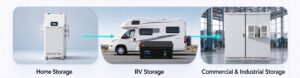
Understanding LFP battery cycle life helps installers and distributors judge the real service life of lithium iron phosphate storage batteries.For energy storage distributors, system integrators and installers, cycle life is a core selection metric for LiFePO4 (LFP) batteries, which determines the service life and ROI of the whole storage system. Many buyers confuse rated cycle count, DOD (Depth of Discharge) and capacity retention rate, and struggle to evaluate real service life from datasheets. This guide applies to residential home, RV off-grid, commercial & industrial (C&I) storage, covering wall-mounted, floor-standing and stackable battery models.
1. How to Read LFP Battery Cycle Life
Definition of one cycle: One full charge followed by one full discharge counts as one complete cycle, not a single plug-in charging event.
Four key parameters must be checked together. Judging only by cycle count can be misleading:
- DOD – Depth of Discharge
According to the Clean Energy Council , proper DOD control helps extend LFP battery cycle life.80% DOD is the common benchmark for home storage. RV systems often run at deeper discharge levels, while C&I systems adjust DOD according to energy dispatch strategies. For the same battery, continuous deep discharge shortens cycle life; shallow cycling extends lifespan.
2 Capacity Retention Standard
The widely accepted end-of-life threshold is 80% of original capacity, not zero capacity. A 6000-cycle rating means the battery retains at least 80% capacity after cycles under test conditions. It can still operate afterward with reduced usable capacity.
3.Test Temperature
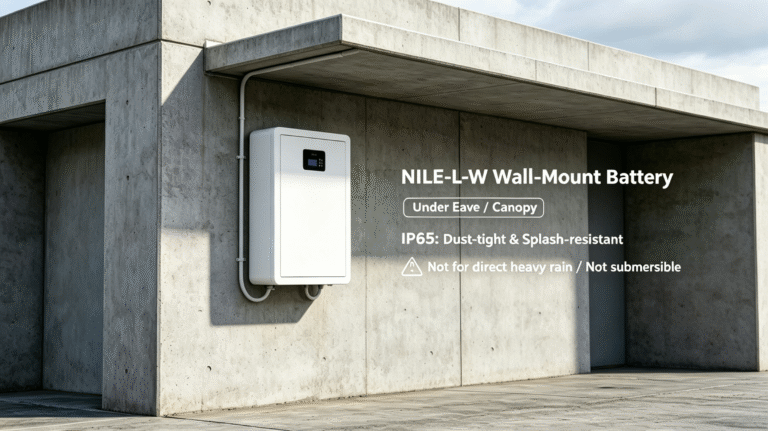
Most manufacturer rated data are tested at 25°C. Large temperature swings in RVs, heat buildup in dense C&I battery cabinets and direct outdoor sunlight for home batteries all accelerate degradation and reduce real-world cycle counts.
4.Charge & Discharge Rate
C&I storage often requires high-power fast charge and discharge with high C-rate. Home and RV systems usually run at low, steady C-rates, making it easier to reach rated cycle performance.
Quick rule of thumb: Cycle count, DOD, temperature and C-rate are linked together. Do not compare battery quality by cycle number alone.
2. Cycle Life Reference of Mainstream LFP Batteries (Rated Data, 80% DOD, 25°C, ≥80% Capacity Retention)
For public specification reference only, for distributors and integrators to explain to customers, not independent test report.
| Cell Tier | Cycle Life |
| Top-tier A-grade cells | 6000 ~ 8000 cycles |
| Mid-tier A-grade cells | 4000 ~ 6000 cycles |
| General assembled cells | 3000 ~ 4000 cycles |
| Reused/refurbished cells | 1000 ~ 2500 cycles |
Estimated service life with one full cycle per day:
- 6000 cycles ≈ 16 years; 8000 cycles ≈ 22 years (Ideal lab condition. Real performance is usually around 70% of this value)
Practical estimation: Properly used A-grade cells last 10–15 years for home storage. RV and C&I systems face harsher working conditions, so service life will be shorter accordingly.
3. Factors Accelerating LFP Battery Degradation in Different Scenarios
- Home storage: Direct outdoor sunlight without ventilation, long storage at 100% SOC, frequent deep discharge
- RV storage: Extreme day-night temperature difference, vibration from driving, high-power discharge at low temperature, regular DOD above 90%
- C&I storage: Poor cabinet heat dissipation, frequent high-C-rate cycling, multiple cycles per day from grid dispatch, cell cluster imbalance
- Common risk: Failed BMS balancing & protection, charge/discharge current exceeding specification
4. Selection Guide for Distributors & Integrators by Application
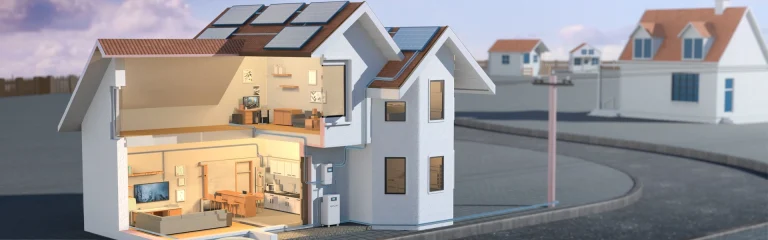
- Grid-tied home storage / backup power: Prioritize A-grade cells ≥6000 cycles. Wall-mounted saves wall space; floor-standing and stackable for higher capacity
- RV off-grid storage: Focus on wide-temperature BMS and shock-resistant structure. Do not only chase ultra-high cycle life; low-temperature performance and IP rating matter more
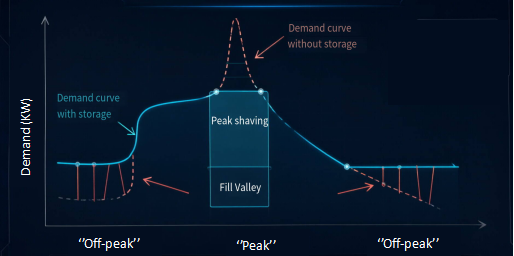
- C&I storage (peak shaving, demand management): ≥6000-cycle cells with cluster-level BMS balancing and reliable thermal management
CTA
If you need LiFePO4 batteries for home, RV and commercial & industrial projects (wall-mounted /floor-standing/stackable available), contact us for full datasheets, performance parameters and project quotations.
Disclaimer
All data in this article are published rated parameters from manufacturers for industry education only. Actual cycle life depends on application scenario, temperature, charge-discharge strategy and BMS performance. Individual differences exist between cell batches. This content shall not be regarded as a quality guarantee.
All requirements outlined above follow Australian local rules for residential battery storage for installers and distributors.